
The Karamojong
Native to the Karamoja Region in the Northeastern Uganda. The Karamojong are one of the most resilient and culturally distinct ethnic groups in Uganda as well as Africa.
The Karamojong are known for their semi-nomadic lifestyle, and have preserved their rich traditions and customs amidst technology and modernization. Their way of life is closely tied to their environment, cattle and the wide open plains of Karamoja, making them an iconic symbol of Uganda’s cultural diversity.
On a Uganda Cultural Safari Journey you get a chance to explore the vibrant culture of the Karamojong people, exploring their unique practices, traditional beliefs, and how their way of life harmonizes with the wild beauty of the Karamoja Region.

Who Are the Karamojong?
The Karamojong are a pastoralist ethnic group in Uganda in who have inhabited the rugged terrains of Karamoja for centuries. With a deep reliance on cattle, their livelihoods revolve around herding livestock and the seasonal movement in search of grazing lands. Their resilience, strong community values, and traditional customs have shaped their distinct identity, setting them apart from other ethnic groups in Uganda.
The Karamojong Way of Life
- Cattle Culture: To the Karamojongs, cattle is a centre of their life, symbolizing wealth and playing a vital role in all aspects of life, from marriage to conflict resolution. Their semi- nomadic lifestyle revolves around ngimurok (Cattle Camps), where they move their herds.
- Traditional Attire: The Karamojong are known for their colorful clothing and intricate beadwork. Men wear the ikwa, while women adorn themselves with beads and brass jewelry, representing beauty and social status.
- Rites of Passage: Ancient ceremonies, such as akiriket mark important life stages, celebrating traits like bravery, strength, and endurance. These rites honor the community’s connection to ancestors.
The Karamojong Manyattas
The Karamojong live in Manyattas, circular homesteads made of thorn bush fences, mud, wood. These dwelling are strategically designed to protect their livestock from predators and provide a communal living environment. The structure and organization of the Manyatta reflect the social cohesion within the Karamojong community, where extended families live together, maintain strong familial ties.

Cultural Festivals
The Karamoja region is a hub for cultural festivals celebrating the traditions of the Karamojong people. One such festival is the Karamoja Cultural Festival, an annual event that showcases the vibrant music, dance, and art of the Karamojong. Visitors are treated to authentic cultural performances, traditional wrestling, and craft displays that give an immersive experience of life in Karamoja.
What To Do in Karamoja
Natural Attractions
Kidepo Valley National Park
Located in the northeast of Uganda, Kidepo Valley National Park is a rugged savannah park tucked between the mountains of South Sudan and the rugged semi-arid valleys of Karamoja province.
Kidepo is the most virgin area in Uganda and according to CNN International and Australian based Travel Guide – The Lonely Planet, it is one of the best National Park in Africa. The park’s landscape extends across 1,442 square kilometers with altitude ranging from 914 km above sea level on the valley floor to the 2,750m peak of Mount Morungole which dominates the horizon.
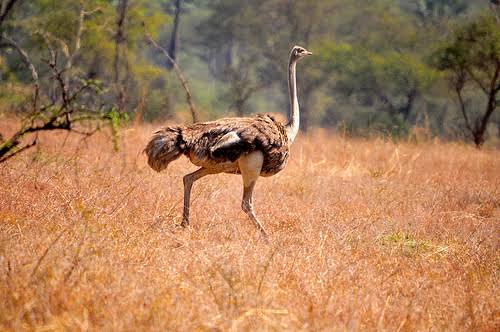
When it comes biodiversity, Kidepo Valley National Park is only second to Queen Elizabeth National Park and by size, it is the third largest national park in Uganda. Kidepo is home to 77 mammal species and it offers great opportunities for game viewing, 20 species of predator are present, including lion, leopard, and spotted hyena.
Pian Upe Wildlife Reserve
Established in 1964 and previously declared as Debasien Animal Sanctuary, Pian Upe Wildlife Reserve is located in Eastern Uganda, north of Mount Elgon and 50 km east of Soroti. At a size of 2043 sqkm, Pian Upe is the second largest protected area in Uganda coming second only to Murchison Falls National Park. it is also one of the most picturesque places in Uganda.
Pian Upe Wildlife Reserve joins with Mount Elgon National Park and the Matheninko & Bokora Wildlife Reserve in northeastern Uganda to form the Mount. Elgon Conservation Area, which is managed by the Uganda Wildlife Authority (UWA).
Matheniko Wildlife Reserve
Found in northeastern part of Uganda – Moroto District, Matheniko Wildlife Reserve is one of the major conservation areas in the Karamoja region, covering an area of 590 square miles and has conditions similar to those found in Somalia and Maasai-land in Kenya.
The reserve is part of the wider Karamoja Wildlife Protection Zone which includes Pian Upe, Bokora and the vast Kidepo Valley National Park.
Matheniko Wildlife Reserve stands of its fellows for its beautiful landscape, unique vegetation, mountains and rocky outcrops.
Bokora Wildlife Reserve
Known for its vast dry plains, rolling hills and wildlife like elephants, buffaloes, and diverse antelope species, Bokora Wildlife Reserve is the second largest wildlife reserve in Uganda consisting of mostly dry plains with Mount Kadam and Mount Napaka which are the prominent features.
Activities to Do in Karamoja Region
- Bicycle tours – Cylcle through the vast breathtaking landscapes
- Cultural tours – Visit the manyattas, community enagegments
- Game drives – Explore our National Parks
- Mountaineering – Hiking & Trekking
Getting Around Karamoja
Karamoja lies in the North-Eastern part of Uganda, bordering Kenya and South Sudan, about 9 hours drive from Kampala – the Capital City. Travelers can use public transportation (buses) and private vehicles offered by Tour Operators. Or fly from Entebbe, which makes the journey short.