
10 Birds to Spot on a Birding Safari in Rwanda
With approximately 703 recorded species, Rwanda is one of the incredible birding destinations in Africa. The country is a birder’s haven with 703 species, 29 Albertine Rift Endemics, diverse habitats and the best montane birding in Africa.
Rwanda’s bird species thrive in the varied habitats that include tropical rainforests, montane forests, savannahs, wetlands and lakes.
In this blog we take a look at the 10 birds to spot on a birding safari in Rwanda.
-
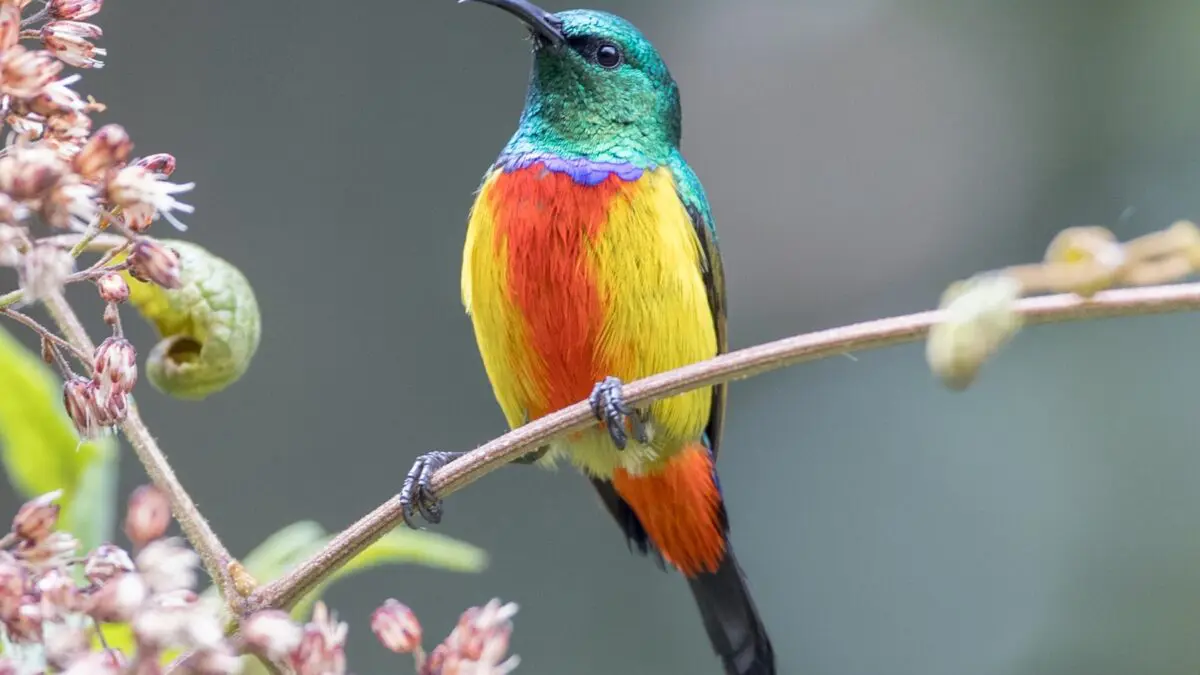
Regal Sunbird
Named for its regal and colorful appearance, the males of the regal sunbird species feature iridescent, metallic plumage with a combination of vibrant colors, including blues, green, and purples. Females are typically more subdued in color.
This sunbird typically thrives in coastal scrub, forest edges, and gardens, and its long, slender bill is adapted to extracting nectar from flowers. Known for its agility in flight, it can be seen hovering near flowers while feeding and performing aerial displays during the breeding season.
-
Grauer’s Swamp Warbler
The Grauer’s Swamp Warbler is a shy and elusive bird with brownish or olive-green plumage, mottled patterns on its back, and a relatively long bill. Its appearance helps it remain camouflaged in its favored habitats of papyrus swamps, wetland areas and other marshy environments.
Known for its secretive behavior, this bird prefers to remain hidden in dense vegetation and is usually recognized by its call rather than a sighting. The Grauer’s swamp warbler is a critically endangered species and is threatened by habitat loss and degradation, usually as a result of human activities.
-
Ruwenzori Turaco
The Ruwenzori Turaco favours montane and bamboo forests and is usually found at an elevation of between 4,900 to 11,500 feet. It prefers areas with dense vegetation and high rainfall. The Rwenzori Turaco is known for its distinctive calls, which feature a variety of whistles and harsh squawks.
-
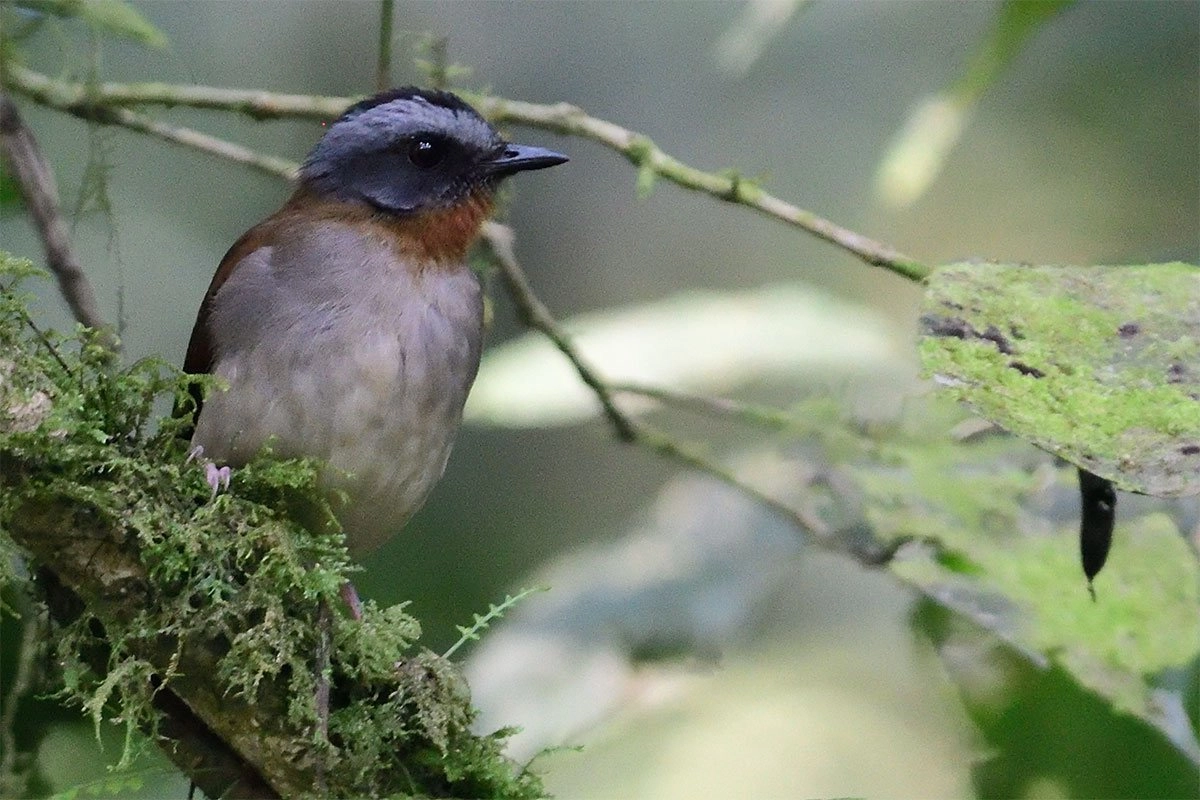
Red-Throated Alethe
This bird species is relatively small belonging to the thrush family. Measuring about 7.1 inches in length, it has distinctive and attractive plumage. Its upperparts are typically dark grey or brown, while the underparts are paler with a prominent reddish throat. The head is grey, and the eyes are surrounded by a contrasting pale eye ring.
This striking bird is mostly found in montane forests and forest edges, particularly in the undergrowth, where it forages for insects, spiders, and other small invertebrates. Known for its shy and skulking behavior, you will most likely hear the red – throated Alethe before you see it, its songs features a series of melodious, flute-like notes and soft, high-pitched whistles.
-
African Green Broadbill
The African Green Broadbill has bright green plumage, a broad bill with a distinctive hooked tip, and a contrasting blackface mask. Also, notable are its rounded wings and short trail. Its bill is adapted to catching insects in flight and plucking insects from foliage.
This bird prefers montane or highland forests and can typically be seen in both the dense undergrowth and forest canopies. Usually found in pairs or small family groups, its distinct vocalizations include a variety of whistles and other calls.
-
Handsome Francolin
The Handsome Francolin is known for its striking and colorful plumage, it has a black face with a blue patch around the eye, a distinctive black-and-white pattern on its neck and chest, and a red bill. The rest of its body is mainly brown.
This shy and secretive bird prefers running to flying when its disturbed and can be difficult to observe. It is typically found in bamboo forests, alpine moorlands, grasslands, open savannah, and areas with dense shrubbery. In general, it is a ground-dwelling bird, foraging for seeds, insects and other small invertebrates.
-
Collared Apalis
Collared Apalis is a small bird with mainly olive – plumage, a yellowish or off-white belly, and a distinctive black collar or crescent on the throat. It’s been known to join mixed-species bird flocks, especially during the non-breeding season.
The collared apalis is commonly found in montane or mountainous forests. It favors dense vegetation in both primary and second forests. Its diet consists of insects (primary) and other small invertebrates that it picks off the foliage.
-
Shelley’s Crimsonwing
Named for the scarlet coloration of the male’s plumage or the vibrant crimson, the rest of this bird’s body may feature various shades of brown. Females are usually less brightly colored, with a brownish plumage. This species can typically be found in montane and bamboo forests at an elevation between 5,900 and 9,800 feet.
Shelly’s Crimsonwing is one of the rarest finches in Africa and is well adapted to the unique conditions of its highland habitats. The Shelly’s crimsonwing is often spotted in small groups or flocks, especially when foraging for seeds, its primary diet.
-
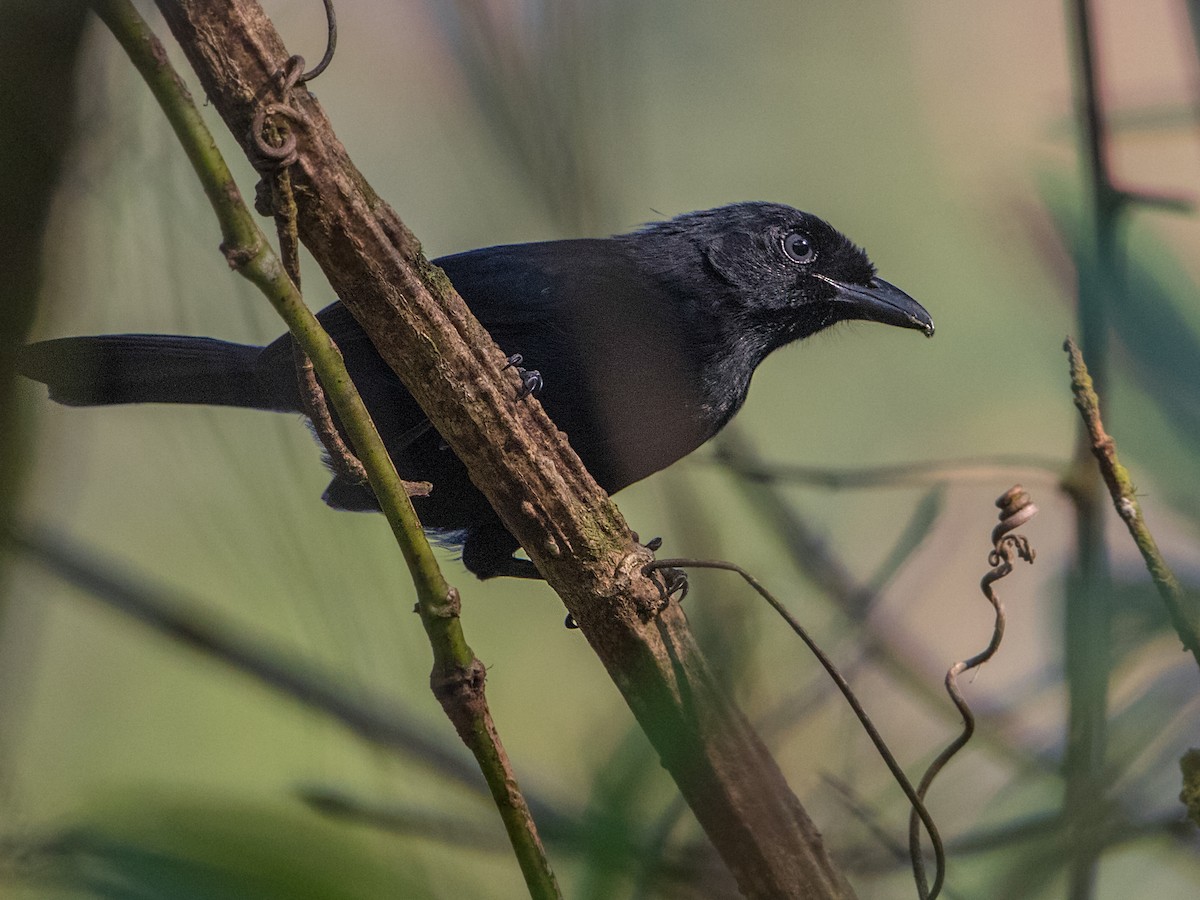
Mountain Sooty Boubou
The Mountain Sooty Boubou also known as the Western Boubou is a medium-sized bird known for its entirely black head and body. Its wings and tail are also black, and has a stout, hooked bill. This bird inhabits a variety of habitats including forests, woodlands and thickets.
The Mountain Sooty Boubou are very territorial birds and can be found in primary and secondary forests, often near water sources. Its diet consists mainly of insects, including beetles, grasshoppers, and caterpillars.
The often heard before seen western boubou, has a melodious call and a variety of other vocalizations.
-
Dusky Crimsonwing
This beautiful bird is named for its dusky or dark – colored plumage, the males of this species have a crimson or red patch on their wings, which contrasts beautiful with their overall dark coloration.
Female Dusky Crimsonwing are typically less brightly colored, with brownish or olive plumage. These birds favor montane or mountainous forests and can often be found inhabiting the bamboo undergrowth, their diet consists mainly of seeds, especially grasses which it forages for in pairs or small groups.
Bird watching on a safari in Rwanda is a rewarding experience. Speak to one of our safari experts for an organized birding tour in Rwanda, this tour comes with experienced guides knowledgeable about a multitude of bird species, and a variety of habitats.