How Much Does a Uganda Safari Cost?
Known as the Pearl of Africa, Uganda is one of the incredible safari destinations in East Africa, a Uganda is an extraordinary Africa safari destination with rich biodiversity and dramatic landscapes as well as exceptional experiences. From gorilla trekking in emerald Bwindi Impenetrable National Park forest to classic game viewing in the savannahs of Queen Elizabeth National Park.
As you plan to go on a Uganda safari, the first question that comes in the mind of most travelers is how much does a Uganda safari cost. In this blog we breakdown all the factors influencing the Uganda safari cost, and everything you need to know before booking your unforgettable Uganda Safari
Uganda Safari Options
Uganda is a relatively small country and because of that, places/destinations to visit are not too difficult to reach, nor take too long to get too. From Kampala – the capital of Kampala and where most Uganda safaris start, Uganda’s main international airport – Entebbe International Airport is just a 35 km drive.
Luckily, a few of Uganda top attractions easily combine due to their proximity, such as Queen Elizabeth National Park and Bwindi Forest. There are few options for your Uganda safari and here are a few break downs.
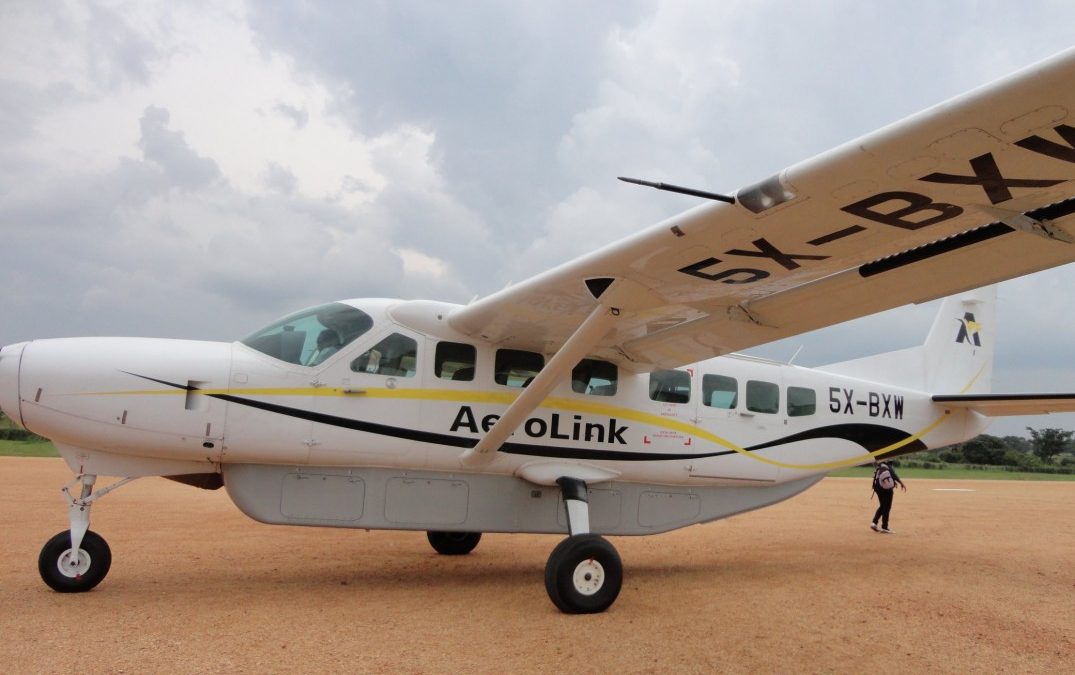
- Fly-in Safaris & Transfers: Most of Uganda’s top destinations are accessible by fly-in charters. However, these are typically quite expensive, which is why most opt for road transfers via mini-bus or 4×4 vehicles. Due to the road conditions 4×4 safari vehicles are often the preferred mode of transportation.
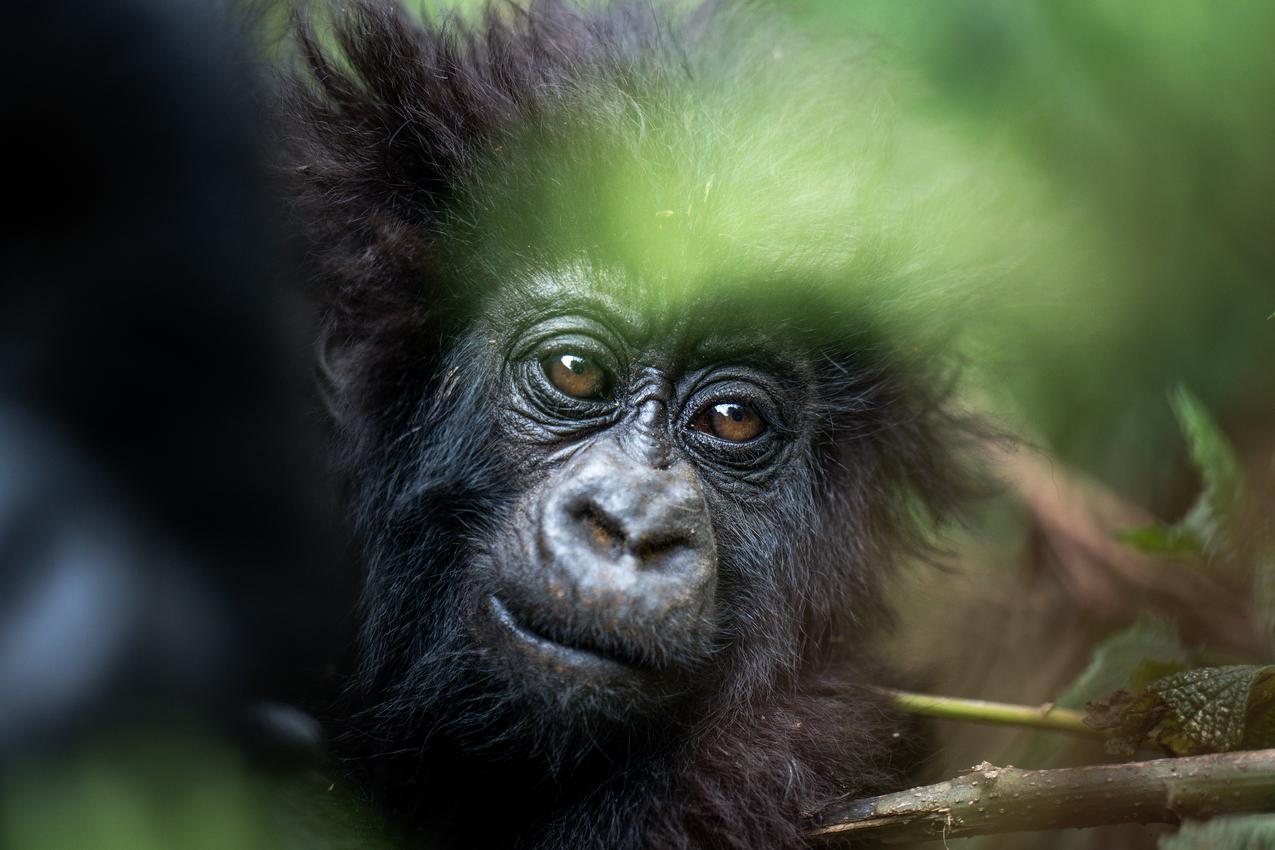
- Gorilla Trekking Experience: Bwindi Impenetrable Forest is undoubtedly the best place in Uganda as well as the world for gorilla trekking and offers visitors with unforgettable experiences each year. Ranger guides and trackers lead a group of trekkers through the forest for the chance to observe gorillas and other primates in their natural habitat. Other factors like group size and time of year among others can impact the cost of your gorilla trek.
- Classic Game Safaris: A Uganda safari is a quintessential experience, head to Murchison Falls and Queen Elizabeth National Parks for big game viewing and great bird sightings. In additional to game drives, boat cruises are fantastic for a different perspective. Though these are typically an additional cost.
So How Much Does a Uganda Safari Cost?
A Uganda safari typically rangers from US$770 to $ 1,980 per person per night based on double occupancy depending on the level of luxury, season and whether it includes fly-in transfers or gorilla trekking permits. Entry level options start around $ 770, while mid-range safaris cost between $ 1,100 and $ 1,160. Luxury and 5-star safaris can reach up to $ 1,980 per night.
Generally accommodation is more modest than in Kenya or Tanzania but still offers excellent comfort and access to top wildlife areas like Bwindi Forest, Lake Mburo National Park and Queen Elizabeth National Park.

Uganda Safari Tour Costs
Just like any other holiday around the world, what you choose to do, and where you go will impact the general cost of your safari. The table below breaks down costs for Uganda safaris calculated per person per night sharing in both low and high season.
| Entry Level Fly In | Mid – Range Fly In | Luxury Fly In | 5 Star Option | ||||
| Low | High | Low | High | Low | High | Low | High |
| $770 per person | $830 per person | $1,100 per person | $1,160 per person | $1,540 per person | $1,870 per person | $1,650 per person | $1,980 per person |
Please Note: All the costs are guidelines only and an average per person, per night, sharing a room in High and Low Season, including the necessary permits, conservancy and park frees required. Often they exclude international flights, visas and optional activities
Travel Tip: Conservation fees, levies and permits are all subject to change. Peak or High Season generally runs over Christmas and New Year, and form about July to October.

Uganda Accommodation Prices
As there are two wildlife hotspots in Uganda, accommodation options are categorized as budget, midrange to luxury and they offer easier access to its top spots, proximity to the action.
| 4-Star Comfort | 4-Star Luxury | 5-Star Luxury | |||
| Low | High | Low | High | Low | High |
| $310 per person | $360 per person | $880 per person | $1,430 per person | $1,100 per person | $1,870 per person |
Please Note: All costs listed above are guidelines only and an average for per person, per night, sharing a room in High and Low Season. They exclude international flights, visas and optional activities. Note that conservation fees, levies and permits are all subject to change.
Peak or High Season generally runs over Christmas and New Year, and from about July to October.
How The Time of Year Affects The Cost of a Uganda Safari
The Uganda safari cost varies with the seasons, which are closely tied to rainfall pattrns. Peak season falls during the dry months of December to February and June to August, when trekking conditions are ideal and wildlife is easier to spot, as animals usually congregate around water sources at the end of each day period. These months typically come with higher prices due to increased demand.
The shoulder and low seasons, particularly March to May and September to November, are most cost-effective, offering reduced rates and fewer crowds. However, these wetter months can make gorilla trekking more challenging due to muddy trails and unpredictable weather conditions.
Additional Costs
It is vital to note that all-inclusive may not be as comprehensive as you first expect. In Africa, and on safaris, that can mean a range of things and it is always worth clarifying what is not included. One of the first things to do is consult with your travel advisory.
The possible additional costs could you come across? Have a look at our list below
- International Flights –
- Getting from place to place – Internal transfers may be included with some accommodations, however, some others may be at your own cost.
- Vaccinations – Certain destinations such as Uganda, require vaccinations prior to arrival. These are excluded and you will need to contact your healthcare professional to ensure the requirements are met.
- Tipping is always optional but highly recommended. It is always worth carrying cash during your travelers as it is the easiest way to go about tipping.
- Additional Activities – Any activity over and above the included activity offerings at an accommodation, which typically extends hot air balloon safaris and helicopter flights or even cultural excursions sometimes.
- The exchange rate – International card payments will likely incur a small fee for paying in a different currency. Uganda’s National Currency is also sometimes accepted. While cards are a commonplace, it is best to carry cast for local curio shops and activities.